I’m sure you’ve been hearing about offshore outsourcing for years now and have seen plenty of big promises made around it. You may have even explored it deeper yourself or worked with providers that left you feeling underwhelmed.
As an HR consultant, though, you’re approaching outsourcing from a very different position. You already understand people, recruitment, performance and workforce planning at a high level. More importantly, when you recommend a provider to a long standing client, you’re putting a little of your own reputation behind that recommendation too.
I completely understand what’s at stake for you.
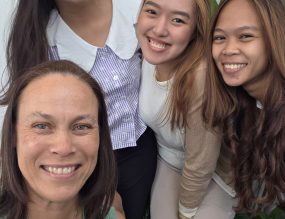
Hi, I’m Dee, founder of CQ Mills. For more than a decade I’ve worked across Australian businesses and Philippine remote teams, helping small to medium businesses just like your clients build resourcing models that work seamlessly across both cultures.
After working with several HR firms across Australia and seeing how beneficial and rewarding a partnership between CQ Mills and HR firms can be for everyone involved, I’m particularly interested in working alongside experienced HR consultants who want another credible resourcing option for their clients, while knowing the remote component will be recruited, managed and supported with the same level of care they bring to their own work.
Recognising When the Business Has Entered a New Workforce Stage
HR consultants often play a very important role in helping clients build capable local teams in the first place. You may have recruited people who have settled into their roles, developed their skills, improved client delivery, refined systems and contributed directly to the progress of the business.
That’s a great result.
But a team structure that worked well at one stage of the business will not always suit the next.
As the business becomes larger and more complex, roles evolve, responsibilities shift and new areas of expertise become necessary. The people already in place can still be performing at a high level, while the structure around them starts to need something different.
This is where your visibility across the client’s people and workforce strategy becomes particularly valuable. You have seen what has worked, how the team has developed and where the business is heading next.
Sometimes the opportunity is simply recognising that the business has reached a transition point.
The next question is how to help the client move through that stage in a way that protects what is already working, especially when the workload begins to increase before the revenue has fully caught up.
Protecting Your Client’s Service Standards, Local Team and the Quality of Future Hiring
As a business grows, the workload often arrives before all of the revenue does. New leads, projects and opportunities create additional communication, quoting, coordination, follow-up and delivery well before that work has necessarily converted into cash in the bank. In some cases, the business may need to convert several more of those opportunities before another local salary becomes commercially comfortable.
That can create a timing gap where there’s enough work to place pressure on the business owner and existing team, but not yet enough consistent cash flow to confidently take on the full cost of another local hire. Some business owners will even bridge periods like this with their own personal capital while they wait for the revenue to catch up.
The challenge also is trying to maintain the same standard of service during that period without asking the existing team or business owner to continually absorb the extra workload.
Having remote talent available gives your client another option. It allows the business to maintain customer service quality, keep work moving and reduce the risk of the business owner or local team burning through both their energy and financial resources while the revenue catches up.
This also preserves the integrity of the local recruitment strategy.
Local hires are a significant investment in both time and cost, so having the space to get that decision right is crucial. It also means that when you’re gathering the information you need, assessing the role and working through the client’s longer-term requirements, the business owner isn’t coming into those conversations with the full weight of the workload on their shoulders.
That gives you, as the HR consultant, room to assess the role properly, find the right fit and keep the client focused on long-term value rather than immediate operational pressure.
Remote resourcing done properly will therefore protect and maintain service quality, support the wellbeing of the existing team and give your client the space to make considered local hiring decisions.
Building the Right Mix of Local and Remote Talent
If this is the first time your client has considered combining local and remote talent, it’s worth taking the time to look at the business as a whole before deciding where that remote component should sit.
That means reviewing how the current team is structured, where responsibilities have changed over time, which roles are holding the most pressure, and where there may be gaps or duplicated effort. It also means looking closely at what genuinely needs to remain local because of market knowledge, leadership, client relationships or face-to-face requirements, and what could be performed effectively from elsewhere.
Doing this properly takes time, but it gives the business a much clearer foundation to build from.
From there, a blended model can be designed so each part of the workforce contributes where it adds the most value. Local team members can stay focused on the work that depends on local presence and business knowledge, while remote team members can take ownership of responsibilities that fit naturally within their skill set and location.
The aim is not to bolt remote talent onto the side of the business. It’s to build a team structure where both sides are integrated, clearly defined and able to support the business over time.
Expanding the Resourcing Solutions You Can Offer Your Clients
By partnering with specialists like CQ Mills, you can stay focused on the broader workforce strategy while the practicalities of building the remote component are handled by the CQ Mills team.
That can include defining the role, recruiting right-fit remote team members, managing Philippine HR and payroll requirements, local compliance, onboarding and the cultural considerations that come with working across two countries.
Once the remote team is in place, CQ Mills continues to provide structure through regular check-ins, performance reviews and practical guidance for both the Australian business and the Filipino team members.
If you have a client who could benefit from a blended local and remote team strategy, get in touch with CQ Mills and let’s explore what that could look like.